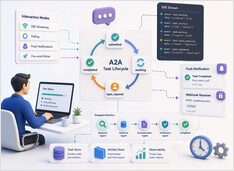
What Is the A2A Protocol? Agent Cards and Tasks Explained
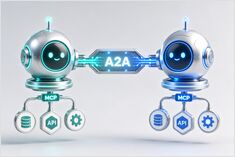
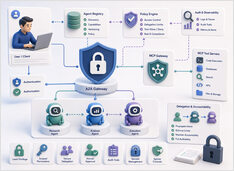
A2A turns agents into network peers.
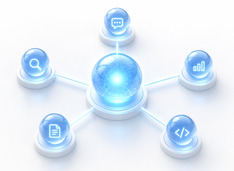
The A2A Protocol, short for Agent2Agent Protocol, is an open standard for communication between independent AI agent systems.
A2A turns agents into network peers.
The A2A Protocol, short for Agent2Agent Protocol, is an open standard for communication between independent AI agent systems.
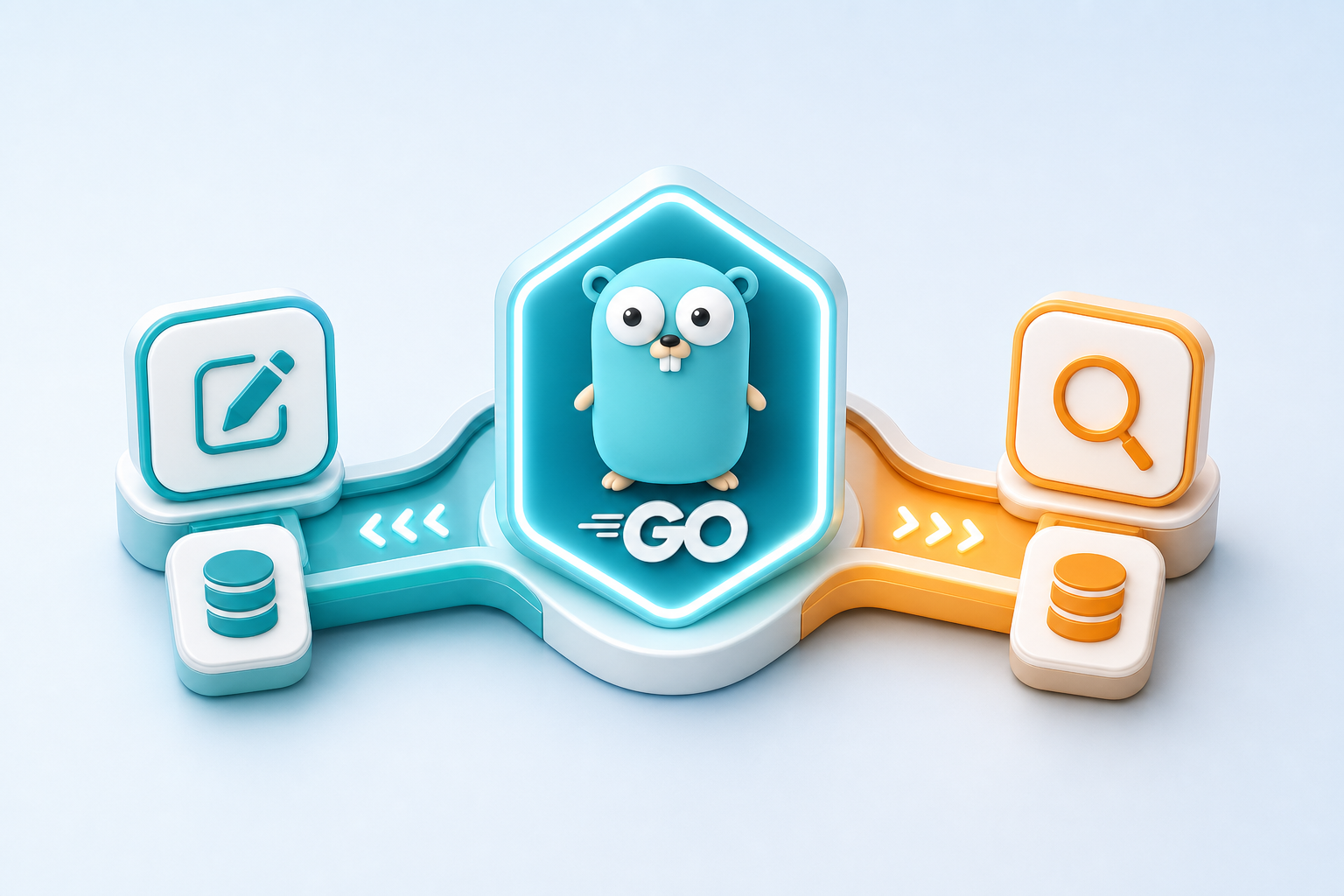
Build CQRS in Go without needless ceremony
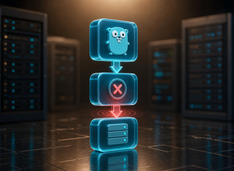
CQRS is one of those patterns that gets oversold, overcomplicated, and occasionally misdiagnosed as a cure for plain old CRUD boredom.
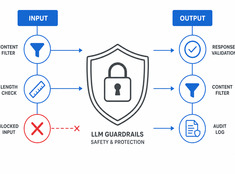
Control the risk, not just the model.
LLMs are unpredictable. They hallucinate, leak data, generate harmful content, or refuse legitimate requests. Guardrails constrain model behavior without sacrificing capability.
Pick the simplest pattern that works.
Single-model systems are simple. Multi-model systems are powerful. The challenge isn’t choosing models — it’s designing the architecture that orchestrates them.
Working, structured, and retrieval memory for assistants.
Memory turns assistants from reactive to persistent, but it is also where many systems quietly rot. Surveys argue the short-term versus long-term split is no longer enough for modern agent memory; OpenAI and LangGraph SDKs point to a simpler stack — working memory, durable state, and retrieval.
How serious assistants are actually built.
A production AI assistant is not “an LLM with a prompt”. It is a system that accepts intent, keeps state, decides when to retrieve or act, and exposes enough runtime detail to debug failures.
Search is not knowledge structure
Most modern knowledge systems optimize retrieval, and that is understandable. Search is visible, easy to demo, and feels magical when it works. Type a question, get an answer.
Compiled knowledge for AI systems
The premise is simple: compiled knowledge is more reusable than retrieved fragments. RAG became the default answer to a straightforward question - how do I give an LLM access to external knowledge?
A map of modern knowledge systems
PKM, RAG, wikis, AI memory systems, and now practical AI-assisted workflows are often discussed as if they solve the same problem. They do not. They all deal with knowledge, but they operate at different layers:
Stop parsing vibes. Validate contracts.
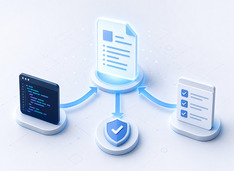
Most LLM “structured output” tutorials are unserious. They teach you to ask for JSON politely and then hope the model behaves. That is not validation. That is optimism with braces.
Eight pluggable backends for persistent agent memory.
Modern assistants still forget everything when you close the tab unless something persists beyond the context window. Agent memory providers are services or libraries that hold facts and summaries across sessions — often wired in as plugins so the framework stays thin while memory scales.
Memory is the difference between a tool and a partner.
You know the drill. You open a chat with an AI agent, explain your project, share your preferences, get some work done, and close the tab. Come back the following week and it’s like talking to a stranger — all context gone, every preference forgotten, the project re-explained from scratch.
How real OpenClaw systems are actually structured
OpenClaw looks simple in demos. In production, it becomes a system.
One database or a real search stack
The real argument is not whether PostgreSQL can search text or whether Elasticsearch can store documents. Both can. The interesting question is where search complexity should live.
Alerting is a response system, not a noise system
Alerting gets described as a monitoring feature far too often. That framing is convenient, but it hides the real problem.
Chat platforms as control planes for systems
Chat platforms have evolved far beyond messaging tools. In modern systems they operate as interfaces between automated processes and human decision making.